Reisetagebuch I — Selou Sowe
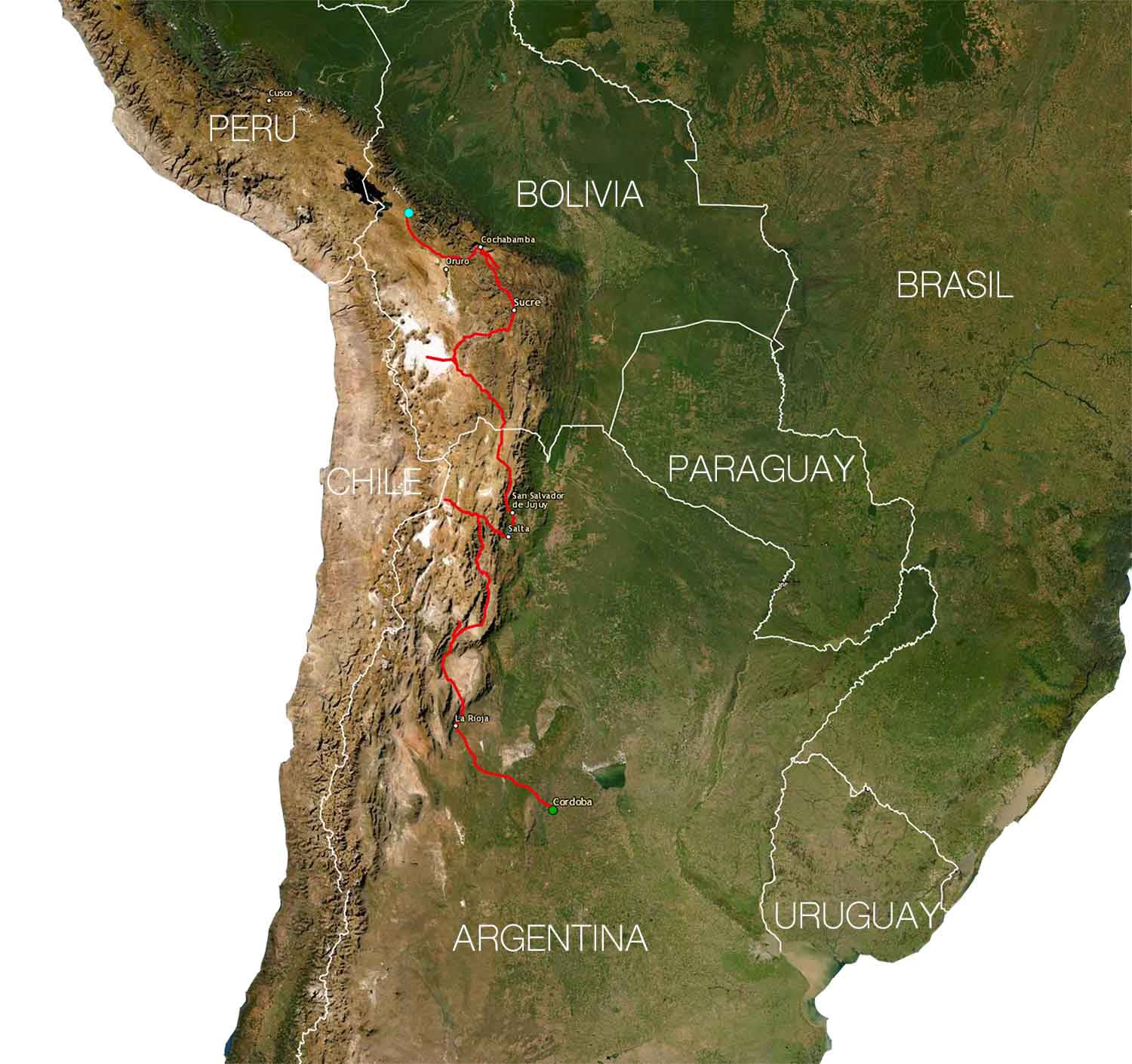
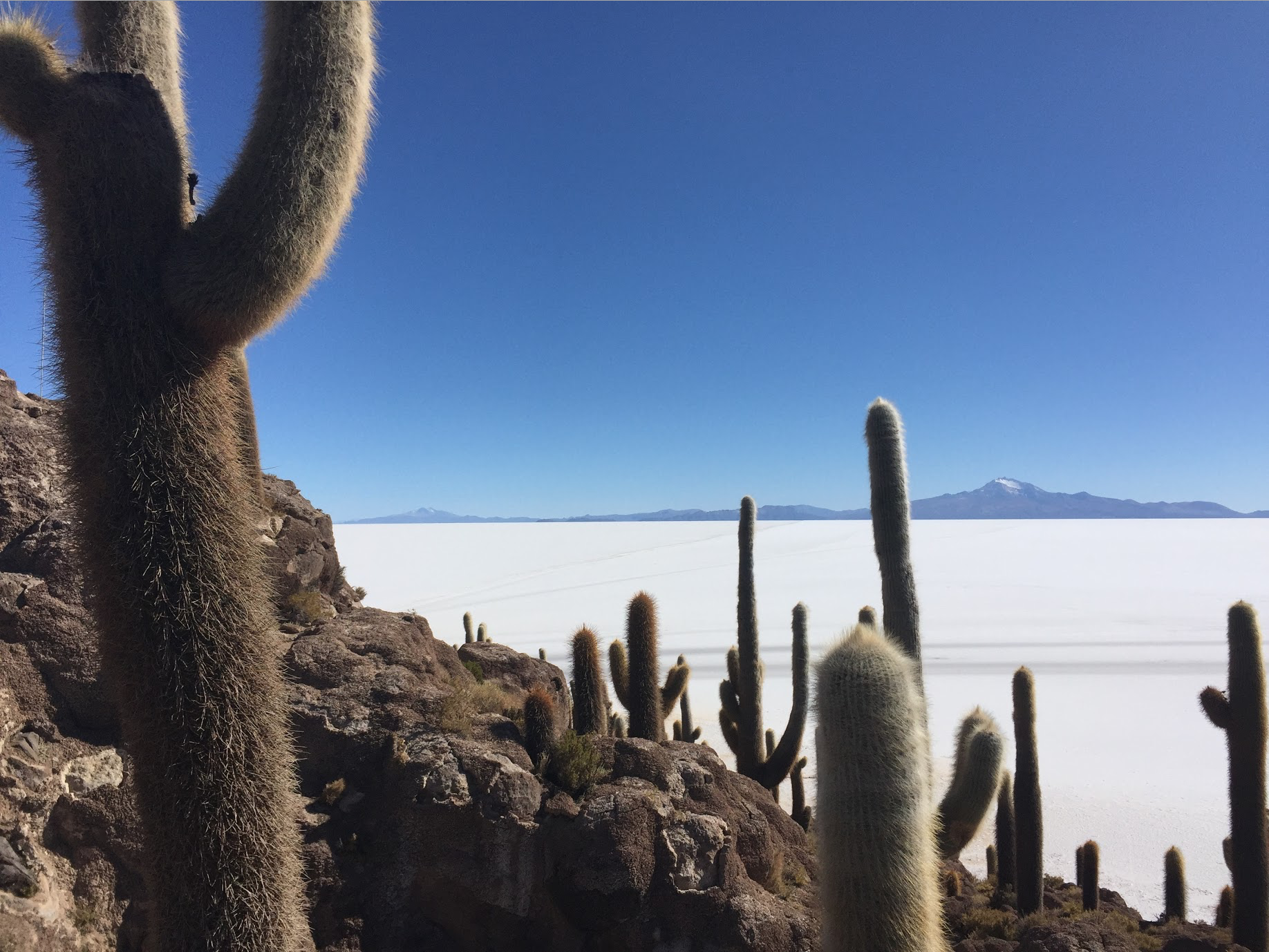
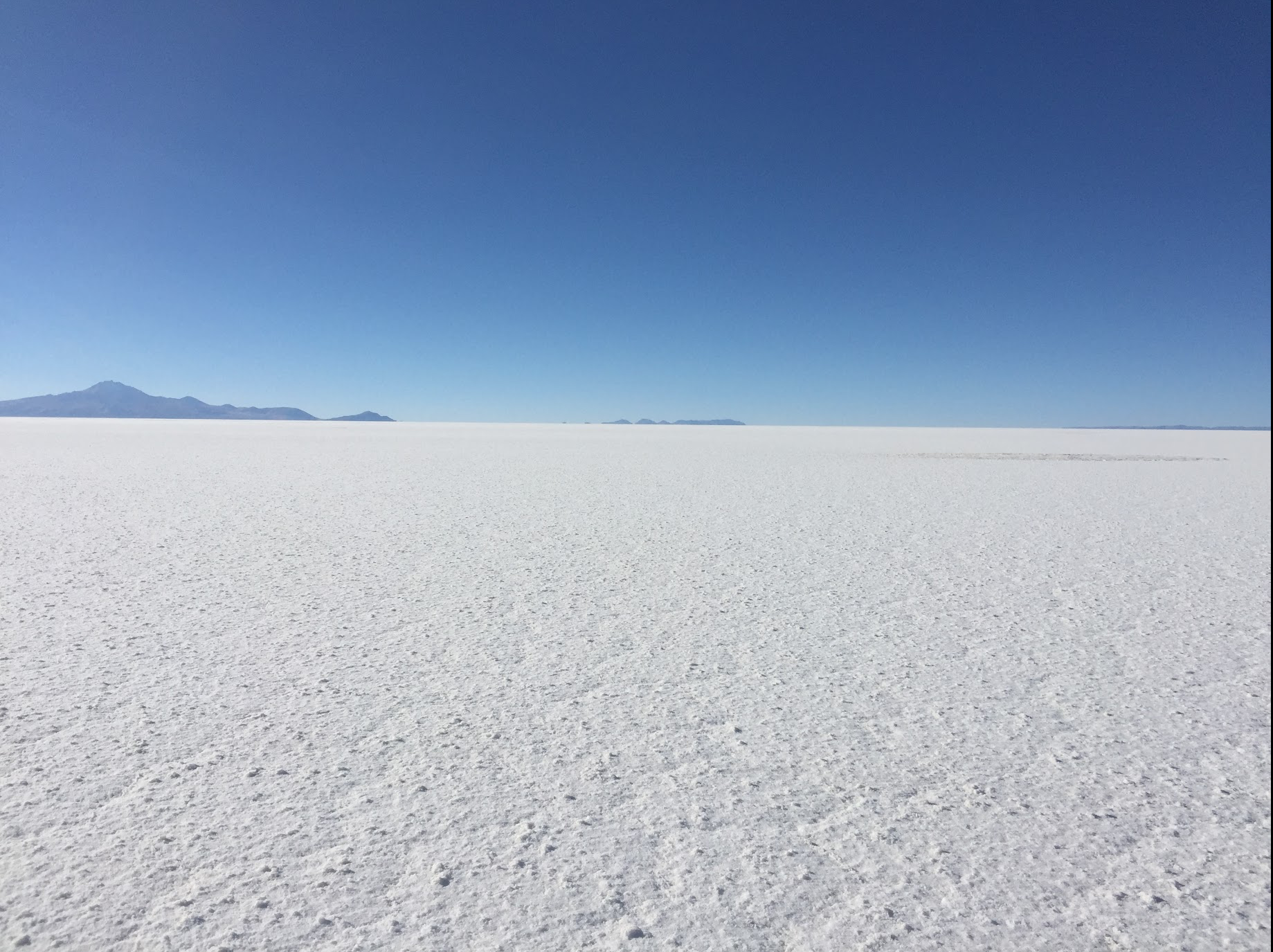
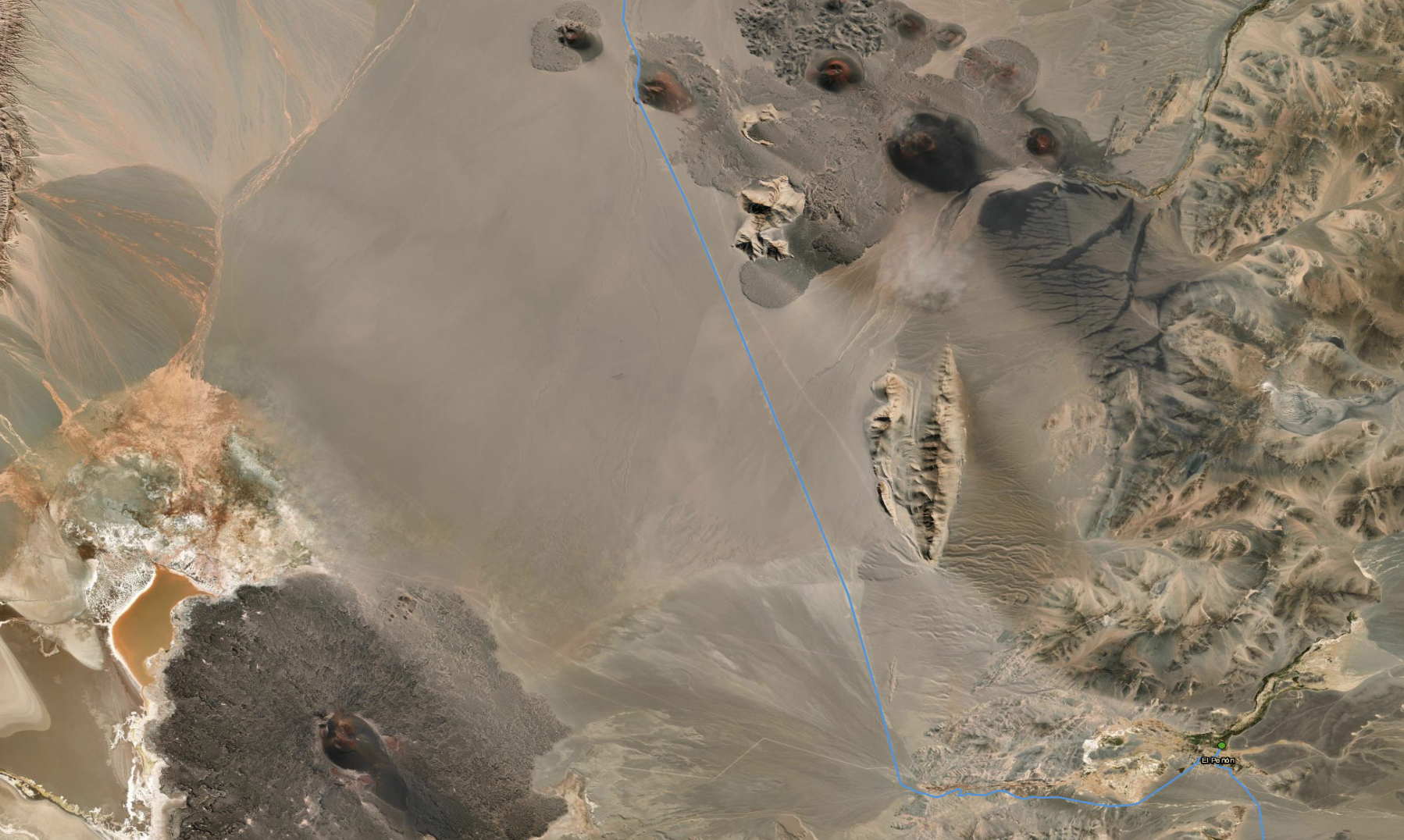
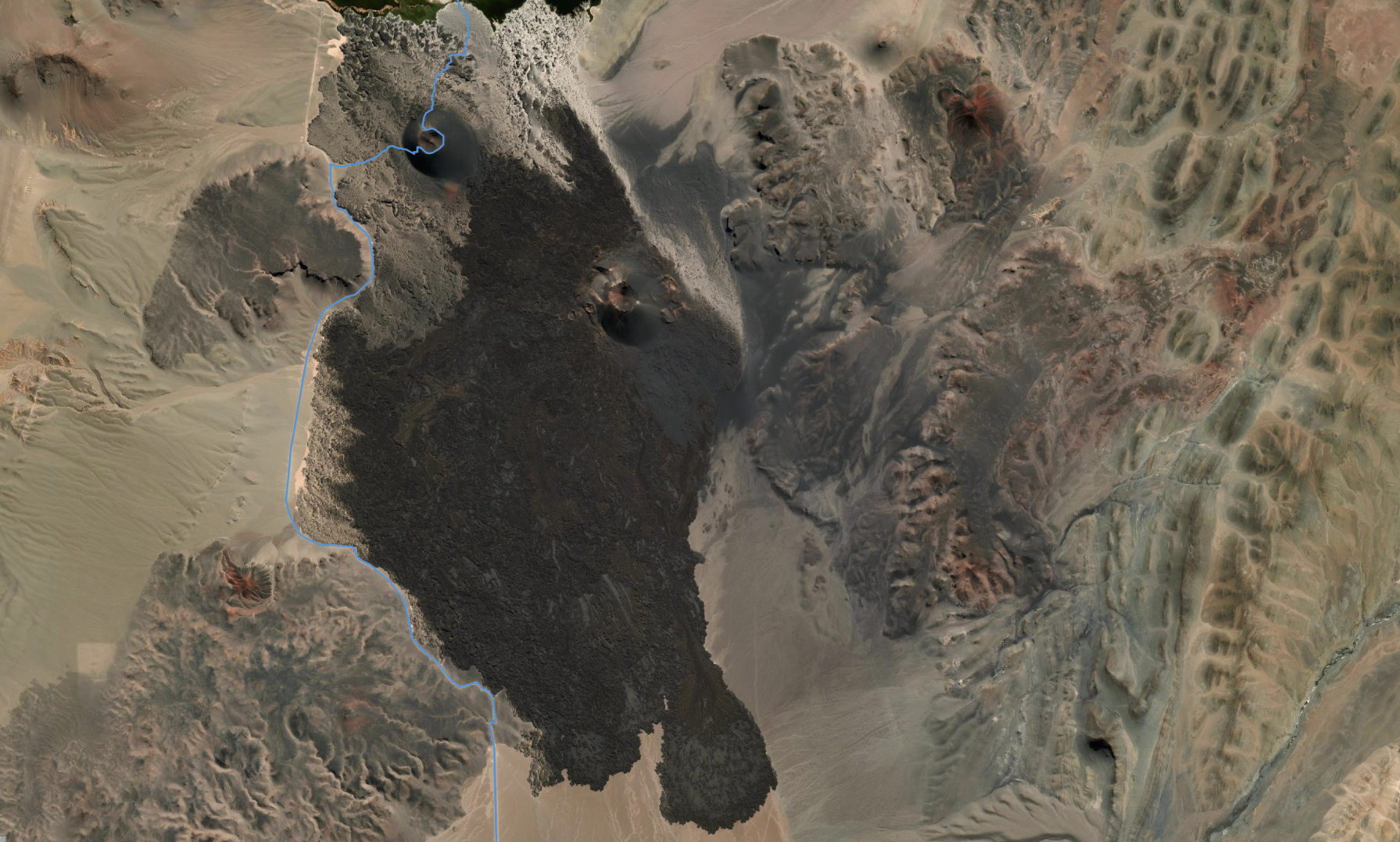
The Essay is an Excerpt of my travel diary. An attempt to cross a plateau at 4,200 m ends when a sandstorm makes it physically impossible to continue. This is used as a departure for a sustained meditation on control, complexity, and what it means to be alive inside a system larger than yourself.
The central tension the essay works through is between two fundamentally different ways of understanding existence: one rooted in indigenous Andean thought, specifically Pachamama as the self-generating, nonlinear totality of life, and one rooted in the Western colonial tradition, with its fantasy of omniscient control (the Laplacian Demon), its patriarchal god made in man's image, and its compulsion to subdue and simplify whatever it cannot predict. What Western science has arrived at is a picture of reality far closer to Pachamama than to a central, almighty and patriarchal, Intelligence. The worldview colonial powers imposed by force as self-evident truth, dismissing indigenous cosmologies as primitive superstition, turns out to be the less coherent one. Life, by its nature as a nonlinear complex system, resists exactly the kind of reduction control requires.
This argument runs through several registers: Heisenberg's uncertainty principle, Erich Fromm's psychoanalysis of patriarchal necrophilia, Wolf Singer's neuroscience of consciousness as decentralised and emergent, fractal geometry, the history of urbanisation. What holds it together is a consistent underlying claim: that the drive to control living complexity is rooted in a felt impotence. The essay pushes this further: there is no self that stands apart from nature and steers it. Man is not the sovereign subject of the world but part of its fabric, shaped by the same processes he imagines himself to dominate. The entire premise of control, and with it white supremacy, extractive capitalism, colonial hierarchy, collapses from the inside.
The essay ends with geological time: mass extinctions as the condition for new complexity. What is dying is not framed as a tragedy to be reversed so much as a transformation whose terms we might still influence, not by seizing control, but by changing the local rules of interaction that determine how complex systems organise themselves.